How to Check Engine and Chassis Numbers Before Buying a Car
Buying a used car in Pakistan can save you money, but it is important to check the vehicle carefully before making a payment. One of the most important steps is verifying the engine number and chassis number against the car’s original registration documents. These identification numbers help establish whether the vehicle matches its records and can reveal potential problems that may require further investigation.
Whether you are planning to buy a Suzuki Alto, Honda City, Toyota Corolla, Honda Civic, or another used car, you should never rely only on the seller’s statements or the appearance of the vehicle.
In Punjab, Pakistan, you can begin by checking the available registration information through the official MTMIS Punjab vehicle verification portal. You should also inspect the physical identification numbers and compare them with the original documents.
This guide explains where to find engine and chassis numbers, how to verify them, which warning signs to look for, and what to do if the numbers do not match.


1. What Is an Engine Number?
An engine number is an identification number stamped or marked on a vehicle’s engine. It helps distinguish the engine recorded for a particular vehicle and may appear in the registration documents or official vehicle record.
When buying a used car, compare the physical engine number with the number listed in the registration certificate, smart card, or other relevant official records.
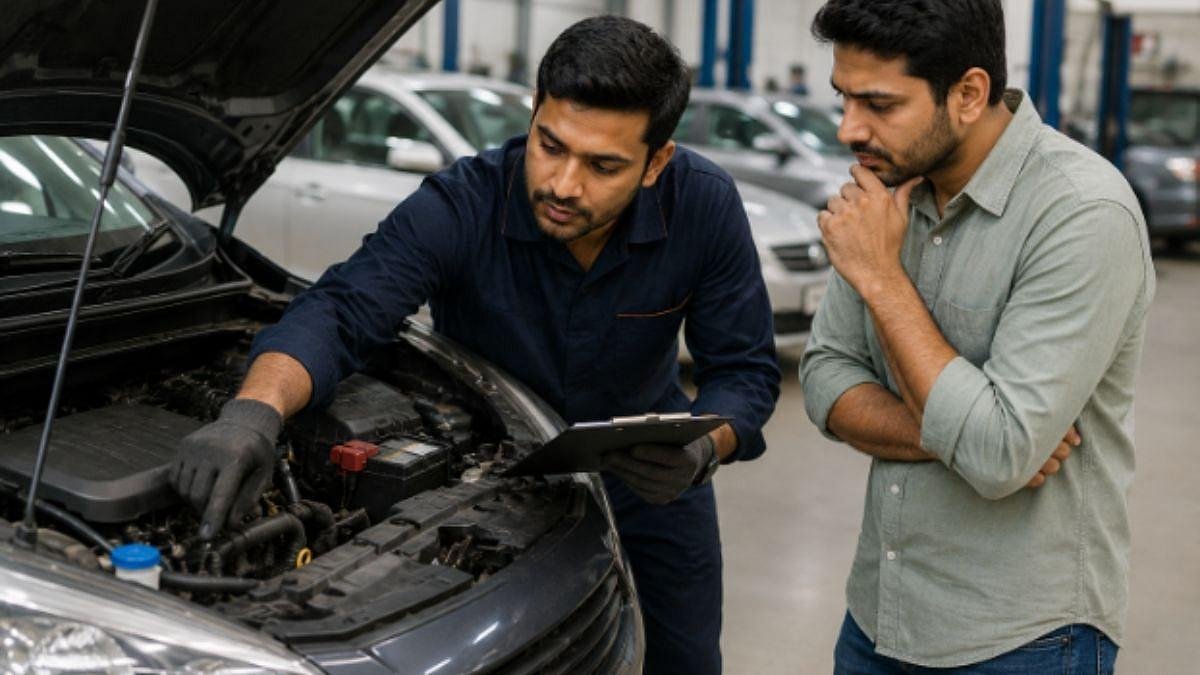
The engine number’s location varies by manufacturer, model, engine type, and production year. It may be stamped on the engine block or another designated surface. Consult the owner’s manual or ask a qualified mechanic to locate it safely.
2. What Is a Chassis Number?
A chassis number identifies the vehicle itself. Depending on the vehicle, it may be stamped into the chassis or body structure and may also be shown on a manufacturer identification plate.
Some modern vehicles use a 17-character Vehicle Identification Number (VIN), while other vehicles, including certain locally manufactured or older models, may use a different chassis-number format.
The chassis number is particularly important when verifying a used vehicle because it helps establish whether the physical car corresponds to its registration documents.
Important: An engine can sometimes be replaced legally, subject to applicable requirements. A different engine number does not automatically prove fraud, but any discrepancy must be properly documented and verified with the relevant registration authority before you purchase the car.
3. How to Check Engine and Chassis Numbers Online
Before inspecting the car physically, check its registration record through MTMIS Punjab.
-
Open the official MTMIS Punjab portal.
-
Enter the vehicle registration number and any additional details requested, such as the registration date.
-
Complete the security verification if prompted.
-
Submit the search and review the available vehicle information.
-
Locate the engine and chassis number fields if they are displayed.
-
Compare these details with the vehicle’s original registration documents and the physical numbers on the car.
Punjab Excise officially provides online verification of registered vehicles through MTMIS. The information returned depends on the vehicle record and the fields currently available in the system.
Remember: Online information is only one part of the inspection. You must also check the physical identification numbers on the vehicle itself.
4. How to Check the Engine Number on a Car
The engine number is usually stamped on a designated surface of the engine block. Its exact location depends on the manufacturer, model, and engine type.


Follow these steps to inspect the engine number:
-
Park the car safely and switch off the engine.
-
Consult the owner’s manual or ask a qualified mechanic to identify the engine-number location.
-
Use a flashlight to inspect the stamped area.
-
Carefully clean away loose dirt using a suitable cloth, without grinding, sanding, or altering the surface.
-
Read the number and compare it with the registration documents and available official record.
-
If the number is difficult to read, ask a qualified mechanic or the relevant authority to inspect it.
Warning signs to look for
-
The engine number does not match the registration documents.
-
The stamped area appears freshly ground, unusually polished, or damaged.
-
The surface shows suspicious welding or alterations.
-
The number is unreadable or appears to have been restamped.
These signs do not independently prove that a vehicle is stolen or fraudulent, but they warrant further investigation before purchase.
5. How to Check the Chassis Number on a Car
The chassis number is stamped or displayed at a manufacturer-designated location on the vehicle. Depending on the model, you may find it on the firewall, a structural section of the body, the floor area, or another specified location.


Follow these steps:
-
Ask the seller where the chassis number is located or consult the owner’s manual.
-
Inspect the manufacturer’s identification plate, if fitted.
-
Locate the number stamped into the body or chassis where applicable.
-
Compare the number character by character with the registration certificate or smart card.
-
Check for obvious signs of grinding, fresh paint, unusual welding, or altered metal around the stamping.
-
If anything looks suspicious, arrange an inspection by an authorised vehicle examiner or the relevant authority.
Never remove structural components or attempt to alter a chassis number yourself. If the stamping appears damaged or suspicious, stop the transaction until the discrepancy has been investigated.
6. What Should You Do If the Engine or Chassis Number Does Not Match?
A mismatch is a serious reason to pause the purchase. It can result from an administrative error, a legitimate engine replacement that has not been recorded, incorrect documents, or possible vehicle identity tampering.
Here is what you should do:
-
Do not pay the full amount: Resolve the discrepancy before completing the purchase.
-
Compare original documents: Check the registration certificate, smart card, and any relevant alteration or replacement-engine paperwork.
-
Ask the seller for an explanation: Request supporting documents rather than relying only on verbal assurances.
-
Contact Punjab Excise: Ask the department to confirm the correct registration record and the procedure for resolving the discrepancy.
-
Seek an authorised inspection: If the chassis stamping appears altered or the vehicle’s identity is in doubt, obtain an official examination before proceeding.
Punjab Excise lists a formal procedure for recording an engine-number alteration, including supporting purchase documentation, the applicant’s CNIC, the relevant vehicle particulars, and registration documents. This is why a replacement engine should not simply be accepted without checking the official record.
7. How to Check Whether a Used Car Is Safe to Buy
Checking the engine and chassis numbers is essential, but it should be part of a wider pre-purchase inspection.
| What to check | Why it matters |
|---|---|
| Engine number | Helps confirm that the installed engine matches the recorded details |
| Chassis number | Helps confirm the identity of the physical vehicle |
| Registered owner | Helps establish whether the seller can legally transfer the car |
| Make, model, and colour | Identifies discrepancies between the car and the official record |
| Registration documents | Helps confirm the vehicle’s documented identity |
| Token tax status | Helps identify outstanding vehicle tax dues |
| Body and chassis condition | May reveal accident damage, repairs, or suspicious alterations |
| Theft or legal status | Helps identify issues that a basic registration lookup may not reveal |
For Punjab-registered vehicles, begin with the official MTMIS Punjab portal. For concerns about theft or criminal involvement, seek confirmation from the appropriate police or vehicle-verification authority as well.
8. Common Mistakes to Avoid When Checking Vehicle Numbers
Avoid these mistakes when inspecting a used car:
-
Checking only the number plate without inspecting the actual vehicle.
-
Assuming that matching paperwork proves the vehicle is free from legal problems.
-
Ignoring small differences between letters and digits.
-
Accepting an unexplained engine-number discrepancy.
-
Overlooking signs of alteration around the chassis stamping.
-
Paying an advance before reviewing the original documents.
-
Relying entirely on a seller-provided screenshot of an online record.
A careful inspection and official verification can help you identify potential problems before committing to a purchase.
Frequently Asked Questions (FAQs)
1. How can I check the engine number of a car in Pakistan?
Check the engine number stamped on the engine block and compare it with the original registration documents and the available official vehicle record. Ask a qualified mechanic for assistance if you cannot locate it.
2. Where can I find the chassis number on a car?
The location varies by manufacturer and model. It may be stamped on a structural section of the vehicle or displayed on a manufacturer identification plate. Consult the owner’s manual for the correct location.
3. Can I check engine and chassis numbers online in Punjab?
You can check the available registration information through the official MTMIS Punjab portal. Compare the information displayed with the original documents and physical identification numbers.
4. What happens if the engine number is different from the registration book?
Do not complete the purchase until the difference has been explained and verified. A legitimate engine replacement may require an official alteration record. Contact Punjab Excise to determine the appropriate procedure.
5. Is a different chassis number a reason not to buy a car?
A chassis-number mismatch is a major warning sign. Do not proceed until the vehicle’s identity and registration record have been verified by the relevant authority.
6. Can a mechanic verify engine and chassis numbers?
A qualified mechanic can help locate and inspect the numbers and identify signs of damage or alteration. However, official confirmation of registration details or suspected tampering may require an authorised examiner or government authority.
7. Is MTMIS Punjab enough to confirm that a car is genuine?
No. MTMIS provides useful registration information, but it does not replace a physical inspection, original-document verification, or separate checks for theft and legal disputes.
Conclusion
Checking engine and chassis numbers before buying a car in Pakistan is an important step in protecting yourself from registration discrepancies and potentially fraudulent vehicles. Compare the physical identification numbers with the original documents, check the available record through MTMIS Punjab, and investigate any unexplained mismatch before paying the seller.
For more guides on vehicle verification, smart cards, token tax, and ownership transfers, visit MTMIS Punjab.
Suggested internal links:
-
How to Check Vehicle Smart Card Status in Punjab